About my work

Hi, I'm Laura, a nonprofit digital communications leader based in Northern Colorado.

I am passionate about digital strategy and storytelling to support nonprofits working towards environmental and climate solutions. My expertise includes digital strategy, content development and advocacy campaigns for organizations working for the greater good.

I invite you to explore my work.

Multimedia and longform stories

The goals: Help initiated supporters and political decision makers understand more about climate and environmental issues my organization was trying to solve; increase inclusion by telling stories from a diversity of communities; compliment larger campaigns that drove supporters to action pages and donation pages.

My role: Meet with stakeholders and shape the overall narrative and direction of the project, manage the project to ensure multimedia assets from the writer, cartographer, videographers were coming together at the right times, provide guidance on the copy and assets mid-project, edit and rewrite drafts of copy, create headlines and subheads, work closely with cartographer and designer to identify most impactful points to illustrate, then provide copy or edit all captions and map narratives graphics. Finaally, write and produce associated promotions such as emails, social media and web site homepage promotions.

Featured Articles

Explore a featured selection of my editorial management, content production and writing work below.
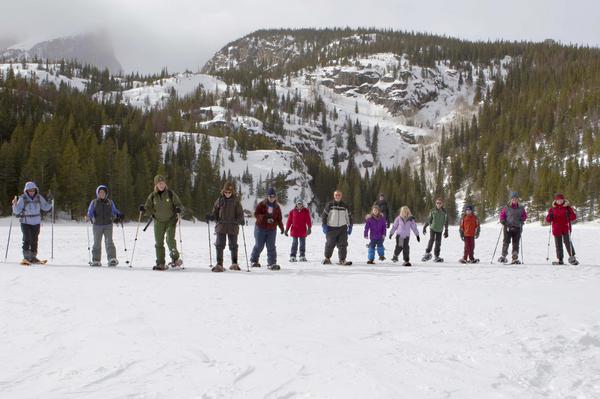
10 amazing winter recreation ideas

It may be cold outside, but that’s no reason to stop playing outdoors. Every year, millions of smart Americans say no to the couch and yes to winter recreation activities outdoors. Where are they finding the best winter recreation locales? On our national forests, parks, refuges and other public lands. From snow capped mountains to frosted storybook forests, public lands brim with magnificent winter scenery and outstanding opportunities for solitude that you won’t find in warmer months. They als

Alaska Natives on the frontline of another lands battle

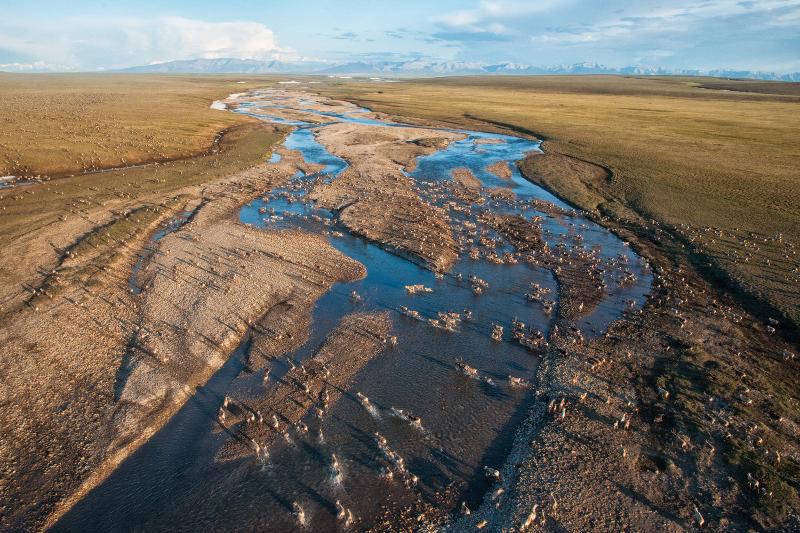
For the Gwich’in people of Fort Yukon, Alaska, a trip to the grocery story can be prohibitively expensive. Far removed from large cities or towns, residents near the Arctic Circle may pay upwards of $15 for a jug of milk and $10 for a loaf of bread.

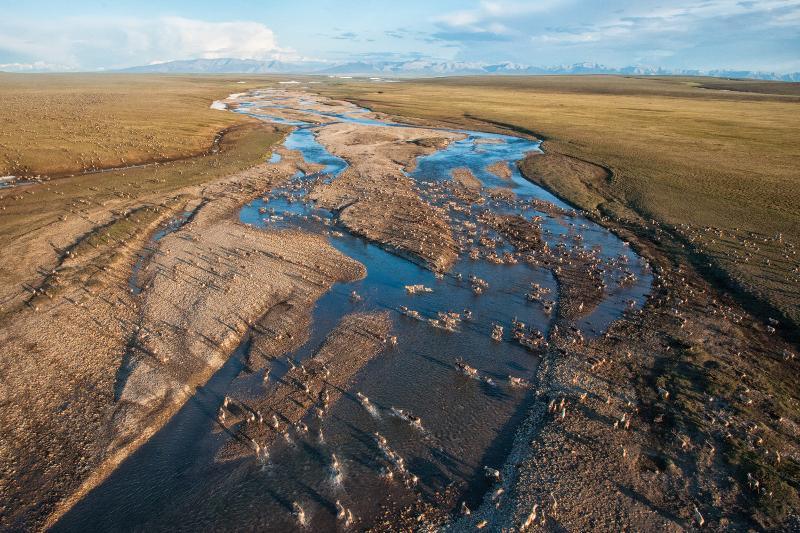
It’s only logical that hunting, fishing and foraging remain critical for the Gwich’in, who have lived off the land for centuries and rely on the caribou that inhabit the Arctic National Wildlife Refuge to the north. But their ability to provide for

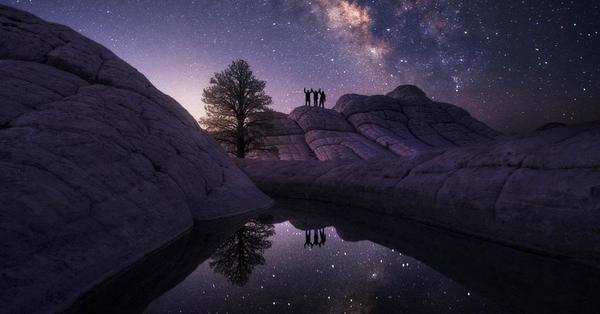
11 tips for photographing night skies

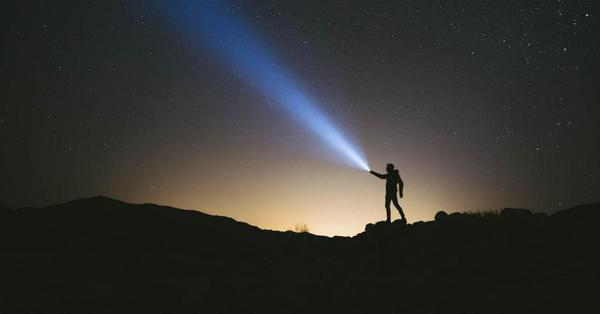
As rampant light pollution becomes more commonplace, many seek the beauty and joys of dark skies. Protected wild lands are the perfect places to revel in the timeless pleasure of starry skies.

Some attempt to capture that exquisite experience of awe - when you realize you are staring into the vastness of both space and time.

Here are some tips for those curious about photographing the glamorous heavens.

1. Locate dark skies. This is the single most important element to astrophotography, but i

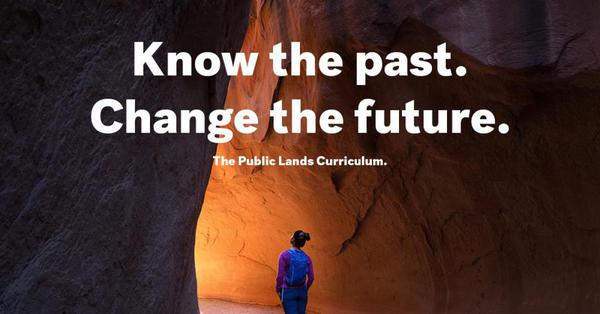
The Public Lands Curriculum

For example, the 1964 Wilderness Act describes wilderness as "an area where the earth and its community of life are untrammeled by man, where man himself is a visitor who does not remain…" erasing and dehumanizing Native Americans who had lived on and stewarded these lands since time immemorial.

Our current conservation narrative erases the stories of the Jones Family, a Black family who sold land to create Biscayne National Park in Florida; Tie Sing, a legendary Chinese chef who supported the

Land and Water Conservation Fund

What is the Land and Water Conservation Fund?

The Land and Water Conservation Fund (LWCF) takes a portion of royalties energy companies pay the government for extracting publicly owned offshore oil and gas from the Outer Continental Shelf. The government then takes those revenues and reinvests them in the conservation of our public lands and natural resources.

Energy companies pay the federal government about $900 million every year. This goes to the Land and Water Conservation Fund.

How does

29 critical "Leave No Trace" tips for wilderness visitors

Just as you rely on wild places to rejuvenate and restore you, those places rely on you to keep them in good condition.

Even if you are aware of the basic notion of "pack it in, pack it out," leaving no trace can often entail some details you might not think of.

So that you can be mindful of all the ways you can impact the wild places you visit, here are some tips based on the seven Leave No Trace principles:
• Prepare. This is the single most important thing you can do. Reading this page is a

Being black, brown or poor shouldn’t mean less time in nature

What I learned from being a black conservationist

I remember the first time I discovered that going into the woods to walk around and sleep was a thing.

I was about nine years old and my mom and I moved to Virginia from Philadelphia earlier that year. It was like a foreign world to me. I traded in my bustling city streets for open spaces and loud sounding bugs I couldn’t identify.

I learned that we don’t’ appreciate what we don’t know

In Philadelphia, I was surrounded by el-trains (short for

Protections for Colorado wilderness, wildlife, historic sites in new legislative proposal

Three famed Colorado mountains reaching at least 14,000 feet in elevation (referred to “fourteeners”) as well as wildlife-rich evergreen forests and a historic Army camp would be among the places protected in in central and southwestern Colorado under newly offered legislation.

Introduced in the Senate and House by Sen. Michael Bennet and Rep. Joe Neguse, respectively, the Colorado Outdoor Recreation & Economy Act, or CORE Act, would protect parts of the Continental Divide, Thompson Divide and

Together we can save the Arctic Refuge | Wilderness.org

The oil and gas industry and its allies are lobbying to open Alaska's Arctic National Wildlife Refuge to drilling. If this happens, America's last great wild frontier would be forever changed. Together we can save the Arctic Refuge for future generations.

Watch the video to see the beauty and values at stake, then take action to help us save the Arctic Refuge.

SAVE THE ARCTIC REFUGE: TELL CONGRESS TO ACT!

The Arctic Refuge is a one-of-a-kind stretch of unspoiled wilderness. It is home to an a

Protecting iconic Colorado lands will move our nation one step closer to conservation goals

What I didn’t know nine years ago is the impressive view, recreation opportunities, wildlife habitat and water resources before me in the San Juan range were at risk. Like so many other natural areas, much of the San Juan range is unprotected, aka open to mining, drilling and other development. We lose a football field worth of nature every 30 seconds in the United States, which further exacerbates the climate crisis.

Across the nation local communities are working together to help reverse that

About pages and FAQs

Urban to Wild – Access to nature is a human right

Parks and public lands belong to everyone. But we recognize that access is not equitable for people of all races, genders, immigration status, ability and income levels. In order to pursue our mission to protect wild places, parks and public lands, it is essential that these natural settings remain relevant and connected to all.

Many barriers prevent people in urban areas from enjoying the benefits of public lands. People of color and low-income communities are often left out of decision-making

What is Wilderness

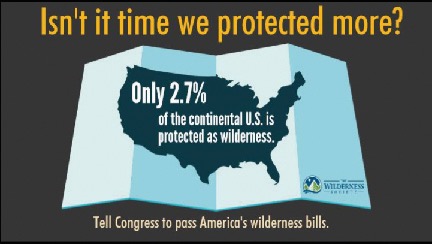
But that’s only a third of our public lands. And about 100 million acres of pristine wildlands are still at risk.

Wilderness is also the term used for the government’s highest form of land protection — federally designated wilderness. There are many ways to protect America’s wilderness. In protecting wilderness, we are safeguarding for current and future generations the outdoor spaces enjoyed by every American.

Wilderness areas are designated by Congress on federal public lands. The Wilderness

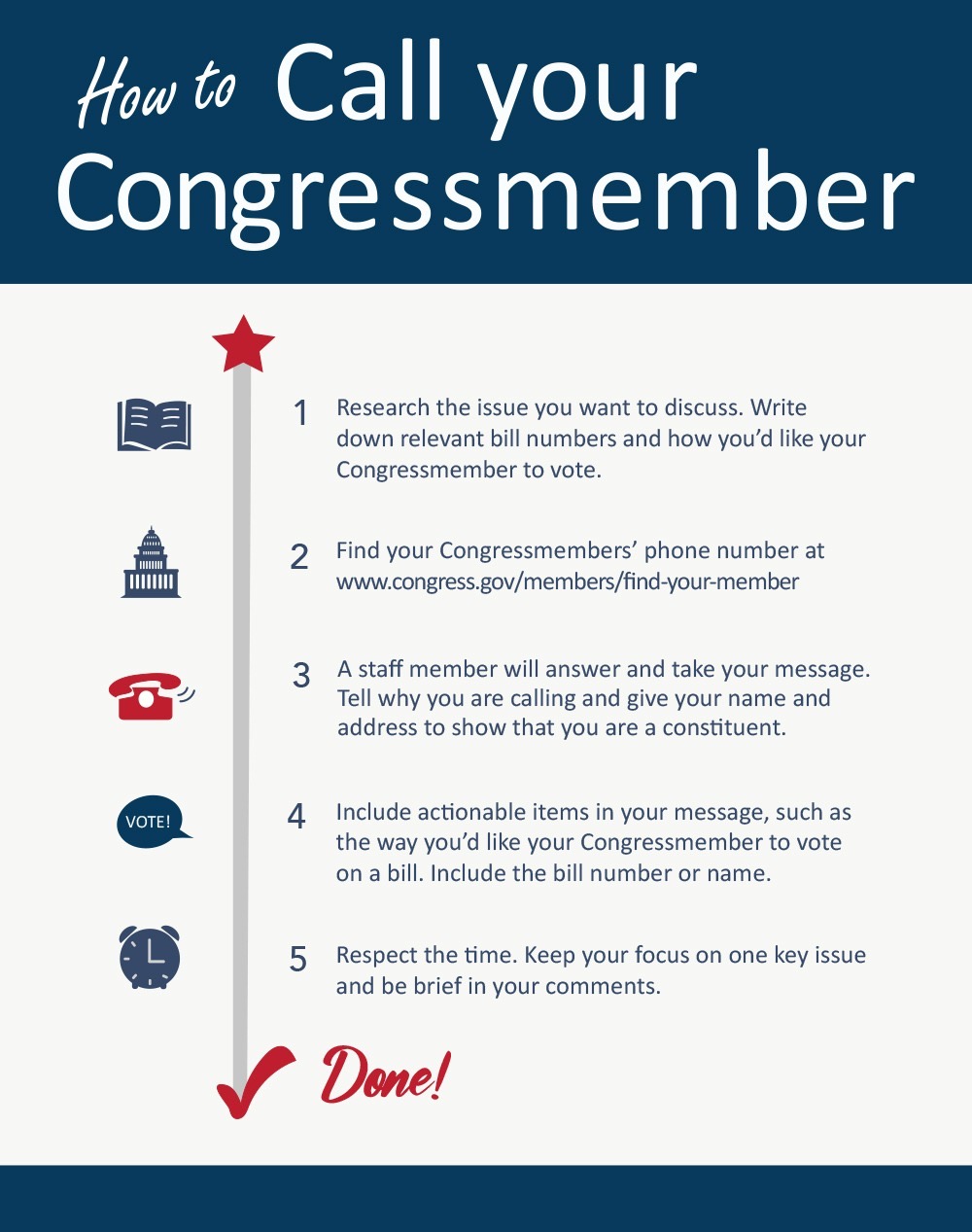
Contact Your Congress Members

Members of Congress want to hear from their constituents. In addition to legislative work, they have the non-stop job of planning for re-election. This continual election work creates a need to keep a close watch on constituent opinion.

It's worth noting that there are many environmental champions in Congress. Your support tells them to keep fighting for conservation. It also helps fuel their fight against bad legislation that harms wildlands. But not all lawmakers are environmental leaders, an